A small dark spot on a tooth does not feel urgent. Bleeding gums are easy to blame on brushing too hard. A child’s first cavity may look harmless until it becomes a painful night-time emergency. That is why dental checkups matter. They are not just quick looks at your teeth. They are early warning appointments. A dental check up helps your dentist find problems before they become painful, expensive, or harder to treat.
What a Dental Checkup Actually Does
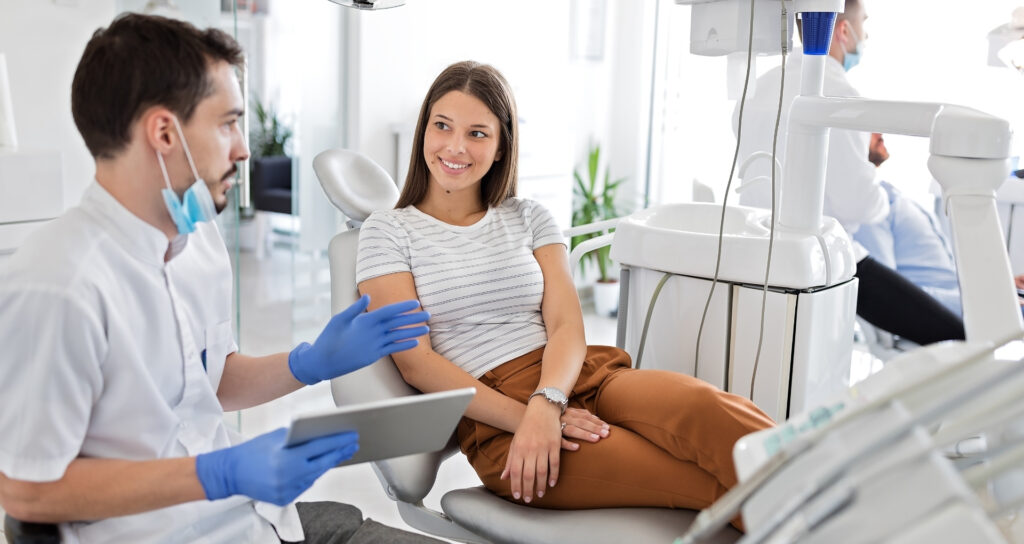
A dental checkup is a professional examination of your teeth, gums, bite, jaw, and oral tissues. It helps your dentist understand what is healthy, what needs monitoring, and what may need treatment. Many people think a dental check up is the same as a dental cleaning. They are connected, but not identical. The checkup is the examination. The cleaning removes plaque, tartar, and surface stains. In many routine dental check ups, both are done during the same visit, but they are different parts of care.
During a checkup, your dentist may look for cavities, gum inflammation, loose teeth, worn enamel, damaged fillings, cracked teeth, oral sores, infection, bite problems, jaw issues, and signs of grinding or clenching.
Why Teeth Can Look Fine but Still Need a Checkup
One of the biggest mistakes patients make is waiting for pain. Dental problems often stay quiet in the early stages. A cavity can grow under the surface before it hurts. Gum disease can progress with very little discomfort. A cracked tooth may only hurt when biting in a certain way.
Pain usually means the problem has moved past the early stage. That is when treatment may become more complex. A regular dental check up gives your dentist the chance to catch problems while they are still smaller, simpler, and usually easier to treat.
What Happens During a Dental Checkup?
A good dental checkup should feel organized, not rushed. The dentist or hygienist may begin by asking about your medical history, medications, dental concerns, sensitivity, pain, bleeding gums, pregnancy, smoking, grinding, or recent changes in your health.
Your dentist then examines your teeth and gums. They may check old fillings, crowns, bridges, implants, dentures, or other dental work. They also look at your bite, jaw movement, and soft tissues inside the mouth.
If needed, dental X-rays may be taken to see areas that are not visible during the exam. X-rays can help detect cavities between teeth, infection near the roots, bone loss, impacted teeth, and other hidden concerns.
The Gum Check: The Part Patients Often Underestimate
A dental checkup is not only about cavities. Your gums matter just as much. Gum disease can cause bleeding, bad breath, gum recession, loose teeth, and bone loss around the teeth.
During the exam, the dental team may measure gum pockets around your teeth. Deeper pockets can be a sign of gum disease. They may also check for plaque, tartar buildup, swelling, bleeding, and gum recession.
This part is especially important for adults. Many people lose teeth because of gum disease, not cavities. A regular dental check up helps identify gum problems early before they become harder to control.
Dental Checkup vs Dental Cleaning
A dental checkup is the dentist’s examination of your oral health. A dental cleaning is the professional removal of plaque and tartar from your teeth. You can brush and floss daily, but tartar cannot be removed properly at home once it hardens. A dental cleaning helps reduce buildup, polish the teeth, and support healthier gums.
Most patients benefit from combining a checkup with cleaning, but some patients need more than a routine cleaning. If there is gum disease, deep pockets, heavy tartar, or bone loss, the dentist may recommend scaling, root planing, or periodontal maintenance instead of a standard cleaning.
How Often Should You Get Dental Checkups?
For many people, a dental checkup every six months is common. However, not everyone needs the same schedule. Your dentist may recommend more frequent visits if you have gum disease, frequent cavities, diabetes, dry mouth, smoking history, pregnancy-related gum changes, braces, dental implants, or heavy tartar buildup.
Some low-risk patients may not need visits as often, but this should be decided by a dentist after reviewing your oral health. The best schedule is not based on habit. It is based on risk.
Who Needs More Frequent Dental Checkups?
Some patients need closer monitoring because dental problems can develop faster or become more serious.
You may need more regular dental check ups if you have:
- Bleeding gums
- Gum disease history
- Frequent cavities
- Dry mouth
- Diabetes
- Smoking or vaping history
- Braces or aligners
- Dental implants
- Crowns, bridges, or dentures
- Pregnancy
- Weak enamel
- Teeth grinding or clenching
- A history of dental anxiety and delayed care
If your dentist recommends visits every three or four months, it is usually because your mouth needs active maintenance, not because they are trying to overbook you.
Dental Checkup for Kids: When Should Children Start?
A dental checkup for kids should start early, usually within six months of the first tooth or by the child’s first birthday. This may sound early, but baby teeth matter. They help with chewing, speech, smile development, and space for adult teeth.
Early dental visits also help parents learn how to clean baby teeth, manage bottle habits, understand fluoride needs, prevent cavities, and handle teething concerns.
The first dental checkup for kids is often simple. The dentist may examine the child’s mouth, check tooth development, look for early decay, discuss brushing, review diet habits, and help the child become comfortable in the dental office.
Why Kids Should Not Only See a Dentist When Something Hurts
If a child’s first dental visit happens during pain, swelling, or infection, the child may connect dentistry with fear. Routine dental checkups help children build trust before a problem appears.
Regular visits also allow the dentist to spot early cavities. Children’s cavities can grow faster than many parents expect because baby teeth are smaller and enamel is thinner than adult teeth. For parents, the goal is not only fixing teeth. The goal is building habits that reduce emergency visits later.

Dental Checkup During Pregnancy: Safe, Useful, and Often Necessary
A dental checkup during pregnancy is generally safe and important. Pregnancy can increase the risk of gum inflammation, bleeding gums, sensitivity, and oral discomfort due to hormonal changes.
Some pregnant patients avoid the dentist because they worry treatment may not be safe. In many cases, delaying care is the bigger problem. Untreated gum infection, tooth decay, or dental pain can affect comfort, eating, sleep, and overall health.
Tell your dentist grimsby that you are pregnant and share how far along you are. The dental team can adjust positioning, timing, X-rays when needed, and treatment planning to keep care appropriate.
What Pregnant Patients Should Not Ignore
Pregnant patients should not ignore bleeding gums, swelling, tooth pain, broken teeth, bad taste, pus, or facial swelling. These signs may point to gum disease, decay, infection, or an urgent dental problem.
A routine dental checkup during pregnancy can help manage small problems early. If treatment is needed, your dentist can explain what should be done now and what can safely wait until after delivery. The second trimester may feel more comfortable for routine care, but urgent dental problems should be assessed when they happen.

How Much Is a Dental Check Up?
The cost of a dental check up depends on the clinic, location, type of exam, whether X-rays are needed, whether cleaning is included, and whether the patient has insurance or public coverage.
A basic recall exam is usually less expensive than a new patient exam because a new patient visit may include a full health history, complete charting, X-rays, gum measurements, and a more detailed treatment plan.
If you are asking, “how much is a dental check up?” the honest answer is: it depends on what is included. A checkup alone, checkup with X-rays, and checkup with cleaning are not the same bill.
Why “Dental Check Up Near Me” Is Not Enough
Searching for a dental check up near me is useful, but location should not be your only filter. The closest clinic is not always the best clinic for your needs.
Look for a dental office that explains treatment clearly, accepts new patients, provides family care if needed, offers emergency support, gives cost estimates before treatment, and helps you understand your insurance or CDCP coverage if applicable.
A good dental clinic should not pressure you. It should help you understand what is urgent, what can be monitored, and what options are available.
What to Ask Before Booking a Dental Checkup
Before booking, ask what is included in the appointment. Is it a new patient exam or routine recall exam? Are X-rays included? Is cleaning included? Will the dentist check gums, oral tissues, bite, and existing dental work?
If cost matters, ask for an estimate before the visit. If you have insurance, ask whether the clinic can submit claims directly. If you are using CDCP or another public dental program, ask whether the clinic accepts it and whether any out-of-pocket cost may apply. This avoids confusion at the front desk after the appointment.
The Overlooked Link Between Checkups and Bad Breath
Bad breath is not always caused by food. It can come from gum disease, plaque buildup, dry mouth, cavities, infected teeth, tongue coating, or poorly fitting dental appliances.
A dental checkup can help find the source. Mouthwash may hide bad breath for a short time, but it will not remove tartar, fix decay, or treat gum infection. If bad breath keeps returning, a dental check up is more useful than guessing with products from the store.
What Dentists Look for Beyond Cavities
A proper dental checkup includes more than checking for holes in teeth. Dentists also look for signs of grinding, enamel erosion, gum recession, loose teeth, oral lesions, jaw joint strain, bite problems, and failing dental restorations.
For example, worn front teeth may suggest grinding. Notches near the gumline may suggest brushing force or bite stress. Recession may expose sensitive root surfaces. A cracked filling may allow bacteria to enter around the edges. These details help prevent small structural problems from becoming major treatment needs.
Dental X-Rays: Why They Are Sometimes Needed
Dental X-rays are not needed at every visit for every patient, but they are important when the dentist needs to see what is happening below the surface.
X-rays may show cavities between teeth, infection around roots, bone loss from gum disease, impacted teeth, abscesses, cysts, or problems under old dental work. Your dentist should recommend X-rays based on your symptoms, risk level, dental history, and clinical findings. Patients should feel comfortable asking why an X-ray is needed and what it helps the dentist check.
Regular Dental Checkup and Long-Term Savings
A regular dental checkup may feel like an extra expense, but delayed dental care can cost more. A small cavity may only need a filling. If ignored, it may need a root canal and crown. If the tooth breaks badly, it may need extraction and replacement.
The same pattern happens with gum disease. Early gum inflammation may improve with cleaning and better home care. Advanced gum disease may require deeper cleaning, more frequent maintenance, and long-term monitoring. Preventive care is usually less complicated than emergency care.
What You Should Do Between Dental Checkups
Dental checkups are important, but they do not replace daily home care. Most oral health is built between appointments.
Brush twice daily with fluoride toothpaste, floss once daily, clean along the gumline, limit sugary snacks and drinks, drink water, and avoid using teeth as tools. If you wear a night guard, retainer, denture, or aligner, clean it properly.
If you notice pain, bleeding, swelling, or a broken tooth between visits, do not wait for your next scheduled checkup. Book an appointment sooner.
Common Mistakes Patients Make Before a Dental Checkup
One mistake is brushing aggressively right before the appointment to “make up” for missed flossing. This can irritate gums and does not remove tartar.
Another mistake is hiding symptoms. Tell your dentist about bleeding, pain, sensitivity, dry mouth, jaw clicking, headaches, or anxiety. These details help with diagnosis. A third mistake is skipping the appointment because nothing hurts. Dental checkups are most useful before pain starts.
What If You Are Nervous About Dental Checkups?
Dental anxiety is common. The worst approach is avoiding care until pain forces an emergency visit. That usually makes the experience harder.
Tell the clinic when booking that you feel nervous. Ask for a calm explanation during the appointment. You can also ask the dentist to pause if you need a break. A good dental team should explain what they are doing, avoid judgment, and help you feel in control of the visit.
What Is Included in Dental Checkups?
Dental checkups usually include a review of your dental and medical history, examination of teeth and gums, cavity check, gum health assessment, oral tissue screening, bite review, dental work inspection, and X-rays when needed. Cleaning may be included or scheduled separately.
FAQs About Dental Checkups
How often should I get dental checkups?
Many patients benefit from dental checkups every six months, but the right schedule depends on oral health risk. Patients with gum disease, frequent cavities, pregnancy, dry mouth, or dental restorations may need visits more often.
What happens during a dental check up?
During a dental check up, the dentist examines your teeth, gums, bite, jaw, oral tissues, and existing dental work. X-rays may be taken if needed, and cleaning may be done during the same visit.
How much is a dental check up?
The cost depends on location, clinic fees, exam type, X-rays, cleaning, insurance, and patient needs. A new patient exam usually costs more than a routine recall exam because it includes a more detailed assessment.
Is a dental checkup during pregnancy safe?
Yes, dental checkups during pregnancy are generally safe and important. Pregnant patients should tell the dentist they are pregnant so care, positioning, X-rays, and treatment planning can be adjusted when needed.
When should kids have their first dental checkup?
Children should usually have their first dental checkup within six months of the first tooth appearing or by age one. Early visits help prevent cavities and teach parents how to care for baby teeth.
Are routine dental check ups really necessary?
Yes, routine dental check ups help find cavities, gum disease, infection, worn enamel, cracked teeth, and failing dental work early. Waiting for pain often leads to more complex and expensive treatment.
A Dental Checkup Is Not Just a Visit, It Is a Prevention Tool
Dental checkups help protect your teeth, gums, smile, and long-term oral health. They allow dentists to catch small problems before they become painful or costly. They also help children build healthy habits, support pregnant patients, and give adults a clearer picture of their oral health.
If it has been more than six months, if your gums bleed, if a tooth feels sensitive, or if you keep searching for a dental check up near me, it is probably time to book. The best dental problems are the ones found early, explained clearly, and treated before they become emergencies.