

What Is a Dental Emergency?
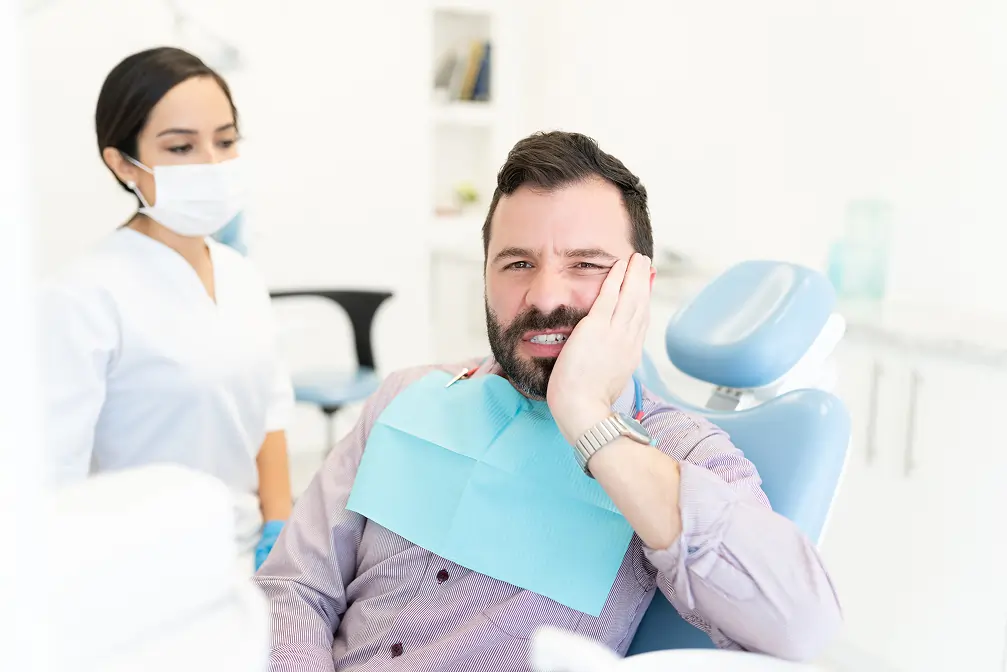
A dental emergency is an urgent dental problem that causes pain, swelling, injury, bleeding or a risk of infection.
Not sure if your problem is an emergency? Call (905) 309-5757 and our team will help you decide.
When Should You Call an Emergency Dentist?
Call a dentist as soon as possible if you have pain, swelling, a broken tooth or a dental problem that is getting worse. You should call for emergency dental care if you have:
Do not wait for pain to become severe before calling.
- ✓Severe toothache or pain when biting
- ✓Swelling around the gums, jaw or face
- ✓A broken, cracked or chipped tooth, or a knocked-out adult tooth
- ✓A lost filling or lost crown
- ✓Bleeding after a dental injury
- ✓An injury to the teeth, gums, lips or mouth
- ✓A dental abscess concern
- ✓Tooth sensitivity that suddenly becomes worse
When to Seek Urgent Medical Care
Some symptoms need medical attention immediately, not just a dental appointment.
Seek urgent medical care or go to the nearest emergency department if you have:
- ✓Trouble breathing
- ✓Trouble swallowing
- ✓Severe facial swelling
- ✓Swelling spreading toward the eye or neck
- ✓Uncontrolled bleeding
- ✓Serious facial or jaw injury
- ✓Fever with worsening swelling or illness
A dentist can treat many dental emergencies, but serious swelling, breathing problems, uncontrolled bleeding, or major trauma may need hospital-based care first.
Call 911 if breathing or swallowing is hard. Do not drive yourself to the hospital. Ask someone to drive you or call 911 for an ambulance.
Emergency Dental Problems We Help With
Tooth Pain
A dental exam finds the cause of tooth pain. Read more about toothache and tooth pain.
Dental Swelling
Swelling around the gums, jaw or face points to infection or inflammation. Have it checked promptly.
Broken or Chipped Tooth
A broken or chipped tooth can leave sharp edges and cause sensitivity. Treatment depends on how much tooth structure is affected. See broken tooth repair for the options.
Knocked-Out Tooth
A knocked-out adult tooth needs urgent attention. Call the clinic immediately, because time matters.
Never put a baby tooth back in. It can damage the adult tooth growing underneath. Keep the tooth wet and never wrap it dry in tissue. A blow to the head or bleeding that will not stop goes to the hospital first.
Lost Filling or Lost Crown
A lost filling or crown leaves the tooth exposed and sensitive. Avoid chewing on that side, keep the crown and call the clinic. Do not try to glue a crown back on yourself. Read more about a lost filling or lost crown.
Lost Crown
A lost crown can expose the tooth underneath. Keep the crown if you have it and call the clinic for instructions.
Pain When Biting
A cracked tooth, a high filling, an infection or a gum problem can cause pain when biting. Have it checked before the tooth gets worse.
What to Do Before Your Emergency Dental Visit
Until your appointment:
These steps only protect the area until it is assessed.
- ✓Avoid chewing on the painful or broken side
- ✓Keep a lost crown or broken tooth piece if you have it
- ✓Rinse gently with warm water if the area feels irritated
- ✓Use a cold compress on the outside of your face for swelling or injury
- ✓Press clean gauze or a folded cloth on a bleeding area for at least 10 minutes
- ✓Follow the advice of your doctor or pharmacist if you use an over-the-counter pain reliever
- ✓Do not place aspirin directly on the gums or tooth
- ✓Do not ignore swelling, fever or symptoms that are getting worse
What Happens During an Emergency Dental Appointment?
Symptom Review and Dental Exam
We ask about your symptoms and medical history. The dentist checks the tooth, gums, bite and any existing dental work.
Dental Exam
The dentist checks the tooth, gums, bite, surrounding tissues, and any existing dental work.
X-Rays When Needed
X-rays show tooth roots, bone support, cracks and signs of infection.
Diagnosis and Urgent Treatment Planning
The dentist explains what is causing the problem and which treatment options suit it. The plan can include a filling or temporary repair, a crown or root canal assessment, an extraction discussion, medication guidance or a referral.
Urgent Treatment Planning
Depending on the issue, treatment may involve a filling, crown assessment, root canal assessment, extraction discussion, medication guidance, temporary repair, or referral if needed.
Cost and Coverage Review
Our team explains estimated costs and coverage where possible before treatment begins. You decide what happens next.
Emergency Dentist vs Regular Dental Visit
An emergency visit deals with the urgent problem first. A regular dental visit focuses on prevention, routine exams, cleanings and planned treatment. Regular dental exams and checkups help prevent the next emergency once the urgent problem is under control.
Cost and CDCP Information
The cost of an emergency visit depends on what the dentist finds and the treatment you need. We explain the estimated cost before any treatment begins.
The cost depends on the exam, any X-rays, the treatment itself, a follow-up visit and your dental coverage. We do not post one price for emergency care. The estimate we give you before treatment is the number to plan around.
Grimsby Lake Dental is a CDCP provider and bills the plan directly for eligible treatments. Our CDCP page and the Government of Canada CDCP page explain who qualifies.
Have private insurance or another dental benefit? Bring your coverage information and our team will help review estimated costs before treatment begins.
Related Services
Good to know
Frequently Asked Questions
What should I do if I break a tooth or lose a filling or crown?+
Call the clinic as soon as possible. Avoid chewing on that side and keep any broken tooth piece or crown.
Is facial swelling a dental emergency?+
Yes. Call the clinic about any dental swelling. Go to a hospital emergency department or call 911 if the swelling is spreading toward the eye or neck. The same applies if it comes with fever, trouble swallowing or trouble breathing.
What should I do if I have a dental emergency when you are closed?+
Call 911 or go to a hospital emergency department for trouble breathing or swallowing, uncontrolled bleeding or spreading swelling. For anything else, call Health811 at 811 for nurse advice. Then call us when we open at 8:00 AM, Monday to Saturday.
Is a sore, swollen gum at the back of my mouth an emergency?+
It needs a dental visit soon. A wisdom tooth coming in can trap food under the gum and cause an infection, so call us for an assessment. Go to a hospital if you cannot open your mouth, swallow or breathe properly.
Can you bill my insurance company directly?+
We bill CDCP directly for eligible treatments. Bring your plan details if you have private insurance and our team will go over your estimated costs before treatment begins.
Can new patients book emergency dental care?+
Yes. New patients with urgent dental concerns are welcome.
Does CDCP cover emergency dentistry?+
CDCP can help pay for eligible emergency dental services for eligible patients. Our CDCP page explains what the plan covers.
Where is Grimsby Lake Dental located?+
Grimsby Lake Dental is located at 414 Winston Rd, Grimsby, ON L3M 0H2, near Lake Ontario and the QEW, with free parking on site.
Call an Emergency Dentist in Grimsby
Have tooth pain, swelling, a broken tooth or a lost filling or crown? Call Grimsby Lake Dental and we will arrange the soonest possible visit.
We are a dentist in Grimsby open Monday to Saturday. Patients come from Grimsby, Beamsville, Lincoln, Vineland and Winona.